Shark Fishing Charter in Elmendorf TX
Atlantic Sharpnose Shark Fishing - What to Expect

Fishing Charter by Captain Jesse Robles in November
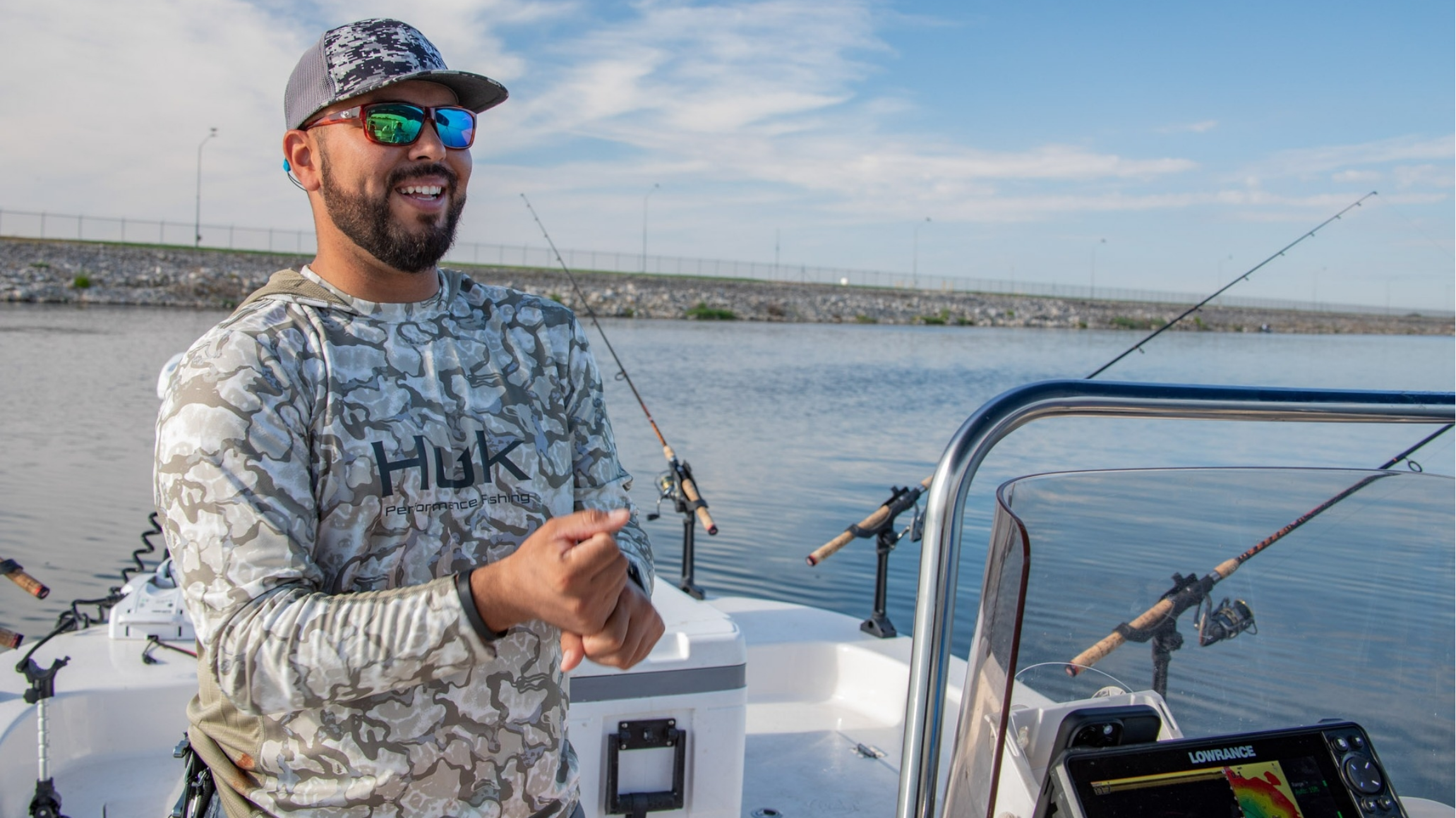
- Unforgettable Calaveras Lake Fishing Charters!


Summary
Join Captain Jesse Robles of Bottom Feederz Fishing for an explosive fishing charter on Calaveras Lake near Elmendorf, TX. This action-packed outing delivered serious results with Atlantic Sharpnose Sharks and impressive catches that had the crew pumped. Experience the thrill of landing hard-fighting sharks in one of Texas' premier fishing destinations.
Fishing Charter with Captain Jesse Robles - Rates & Booking
Captain Jesse Robles of Bottom Feederz Fishing delivered a spectacular Friday, October 23rd outing on Calaveras Lake that left the crew celebrating serious wins. This fishing charter packed non-stop action from start to finish, with the catch displayed proudly on the cleaning table telling the full story. The energy was electric as four anglers worked together to land an impressive array of fish, including Atlantic Sharpnose Sharks that tested their skills and gear. Every moment on the water counted, and Captain Robles' expertise kept the lines tight and the excitement flowing. To book your own high-octane shark fishing adventure with Bottom Feederz Fishing, contact Captain Jesse Robles directly for charter rates, availability, and custom trip packages designed to match your skill level and ambitions.
Highlights of Your Shark Fishing Experience
This charter delivered exactly what serious anglers crave - explosive action and hard-fighting species that demand respect. Atlantic Sharpnose Sharks hit hard and fight harder, making every hookup a pulse-pounding moment on the deck. The crew's teamwork and Captain Robles' strategic approach to finding fish transformed a day on Calaveras Lake into an unforgettable success story. Nine fish across the board showcased the lake's incredible productivity and the potential waiting for anyone ready to chase it.
The combination of aggressive sharks and solid catch numbers creates the perfect recipe for anglers seeking genuine thrills. Whether you're a seasoned shark hunter or stepping into the challenge for the first time, this type of outing delivers the adrenaline rush and bragging rights that keep anglers coming back.
Local Species Insights: Atlantic Sharpnose Sharks
Atlantic Sharpnose Sharks are speed demons of the water, built for explosive bursts and relentless runs that will test your drag settings and your nerves. These aggressive predators thrive in the warm, productive waters around Calaveras Lake where prey is abundant and conditions favor their hunting behavior. They're stockier than their reputation suggests, with surprising power for their size that translates into serious fight when hooked. Their presence in Texas waters indicates a healthy, vibrant ecosystem that supports diverse predatory species.
What makes hunting these sharks so electric is their unpredictable nature - they strike without warning and respond to the fight with pure aggression. On Calaveras Lake, structure and current create perfect ambush zones where sharks position themselves to intercept prey. Captain Robles' knowledge of these patterns means finding active fish and putting them in front of your line. The shark fishing experience here combines the intensity of saltwater action with the accessibility of Texas freshwater and brackish environments. Every hookup feels like a genuine battle, and landing one cleanly is a moment you'll replay for years.
Plan Your Shark Fishing Day
When you book a fishing charter with Captain Jesse Robles, you're stepping into a day built for maximum action and genuine results. The crew arrived ready to grind, and the lake delivered exactly what they came for. Bring your A-game mentality, comfortable clothes for an active day on the water, and high expectations - this outing will meet them. Bottom Feederz Fishing equips their charters with the gear and expertise to handle whatever swims up to your line, meaning you focus purely on the fight and the experience. The cleaning table setup at Elmendorf shows the final chapter of a day packed with hookups and successful landings.
Fishing in Calaveras Lake: Atlantic Sharpnose Shark

The Atlantic Sharpnose Shark (Rhizoprionodon terraenovae) is a small but spirited member of the Carcharhinidae family within the order Carcharhiniformes. Known for its distinctively long, pointed snout—hence the name—this tiny shark typically measures between 39 and 48 inches and weighs just 7 to 9 pounds, making it one of the smallest shark species you're likely to encounter. With its brownish to olive-gray body, contrasting white underside, and signature white dots along its sides paired with black-tipped dorsal and caudal fins, the Atlantic Sharpnose Shark is instantly recognizable once you know what to look for. What makes this species particularly special is how abundant it remains along the coasts of Florida, South Carolina, and the Gulf of Mexico, where summer beachgoers and anglers frequently cross paths with these feisty little predators—and despite their fearsome reputation, they're genuinely more curious than dangerous.
Atlantic Sharpnose Shark Overview
The Atlantic Sharpnose Shark is probably the most encountered shark species along America's Atlantic coast, especially during warmer months. These small but aggressive hunters are beloved by recreational anglers because they're easy to catch, readily available year-round, and put up a surprisingly strong fight despite their diminutive size. Unlike their larger, more intimidating cousins, this shark poses minimal threat to humans—their small mouths and lightweight frames mean their bites, while sharp, rarely cause serious injury. For many fishing enthusiasts, landing a sharpnose is a rite of passage; for commercial operators and aquarium keepers, they represent a sustainable resource that remains wonderfully abundant despite consistent fishing pressure. Whether you're an experienced angler chasing gamefish or simply curious about the sharks cruising in shallow Atlantic waters, understanding this species enhances your appreciation for coastal marine life.
Atlantic Sharpnose Shark Habitat and Distribution
The Atlantic Sharpnose Shark ranges throughout the western Atlantic, from as far north as New Brunswick, Canada, all the way south to the waters of southern Brazil. Within the United States, however, they're most abundant in warm-temperate to tropical environments along the coasts of South Carolina, Florida Keys, and the Gulf of Mexico. These sharks are true coastal dwellers, preferring shallow waters where they patrol surf zones, sandy bays, and even brackish estuaries where freshwater meets salt. Unlike some shark species that venture into the deep, sharpnose sharks remain remarkably faithful to their nearshore habitat throughout most of the year—which is precisely why they're so accessible to anglers and so commonly sighted near populated beaches. Females are the exception: during gestation, they migrate offshore to deeper waters for protection, then return ten to eleven months later to shallow nurseries where they give birth, creating a fascinating seasonal rhythm along the coast.
Atlantic Sharpnose Shark Size and Weight
The typical Atlantic Sharpnose Shark measures between 39 and 48 inches in length and weighs between 7 and 9 pounds—small enough to fit comfortably in a cooler, yet substantial enough to deliver genuine excitement on light tackle. The maximum recorded size hovers just under four feet, with the largest specimens occasionally topping nine pounds. Interestingly, females grow slightly larger than males, an unusual reversal from many fish species. This diminutive stature is actually a major draw for anglers: smaller means more aggressive, faster to boat, easier to handle, and perfect for introducing newcomers to shark fishing without overwhelming gear or intimidating experiences. The modest size also means these sharks metabolize rapidly and feed frequently, making them reliably catchable throughout the day and across all seasons.
Atlantic Sharpnose Shark Diet and Behavior
Despite their small size, Atlantic Sharpnose Sharks are apex predators within their ecological niche, feeding voraciously on small fishes like jacks, wrasses, and silversides, as well as marine invertebrates including shrimp, crabs, worms, and mollusks. These sharks are opportunistic hunters that swim at average speeds around five miles per hour but accelerate significantly when prey is detected. What anglers love most about this species is their aggressive, indiscriminate feeding behavior: they'll attack nearly any bait—live or dead—presented in their territory, making them one of the easiest sharks to hook. However, this eagerness can frustrate anglers targeting other species; sharpnose sharks frequently snatch hooked fish meant for other gamefish, earning them a reputation as persistent nuisances among some fishing communities. Aside from humans and commercial fishing pressure, larger shark species are their primary predators, keeping populations in check through natural predation.
Atlantic Sharpnose Shark Spawning and Seasonal Activity
The Atlantic Sharpnose Shark follows a fascinating reproductive cycle tied closely to seasonal migration patterns. Mating season commences in late spring to early summer, after which females become pregnant and eventually migrate to deeper offshore waters—a behavioral adaptation that protects developing embryos from the hazards of shallow coastal zones. After approximately ten to eleven months of gestation, pregnant females return to shallow waters, bays, and estuaries during late winter and early spring to give birth to live pups, typically delivering an average litter of four young sharks. This viviparous reproduction strategy (live birth rather than eggs) is shared across the Carcharhinidae family and represents an evolutionary advantage in colder waters and unpredictable coastal environments. The predictability of this migration cycle means anglers can anticipate peak fishing periods: spring returns correlate with excellent catches as females move toward nursery grounds, and summer through fall offers consistent action as juveniles and non-breeding adults patrol coastal shallows.
Atlantic Sharpnose Shark Techniques for Observation and Capture
Light-Tackle Casting and Jigging: The most popular method involves lightweight spinning gear with 15- to 20-pound test line and small jigs or spoons. Cast near structure, drop-offs, and deeper channels adjacent to shallow flats. Sharpnose sharks respond eagerly to erratic movements, and the visual strikes are thrilling. This technique works exceptionally well around Florida Keys and throughout the Gulf of Mexico during summer and early fall.
Bait Fishing with Rod and Reel: Use fresh or frozen cut bait—mullet, bonito, or mackerel work excellently—on simple rigs positioned in surf zones, channels, and bay mouths. A standard rig with a 3/0 to 5/0 circle hook and light sinker will allow baits to drift naturally. Fish are responsive throughout the day, but dawn and dusk often produce the most aggressive strikes. No chumming is necessary; their keen sense of smell detects bait from impressive distances.
Wading and Visual Stalking: In shallow clear water—particularly around South Carolina and Florida—wading with sight-casting techniques can be incredibly rewarding. Polarized sunglasses reveal cruising sharks in 2 to 4 feet of water. Cast small lures or live baitfish ahead of detected movement and prepare for explosive strikes. This method combines hunting and fishing in a way that creates unforgettable encounters with these diminutive predators.
Pro Tip for Florida Anglers: Around the Florida Keys and Gulf Coast, plan fishing excursions for mid-morning through late afternoon when water temperature peaks and shark activity intensifies. Bring heavy gloves and a landing net—their rough skin and razor-sharp teeth demand respect, and proper equipment ensures safe, successful releases or clean landings.
Atlantic Sharpnose Shark Culinary and Utilization Notes
The Atlantic Sharpnose Shark has earned a respectable reputation in culinary circles, with meat considered tasty and suitable for various preparations. The flesh is lean, firm, and accepts flavoring well—popular preparations include grilling, frying, and even ceviche in coastal communities. However, moderation in consumption is wise; like many shark species, sharpnose sharks can accumulate mercury and other contaminants, so health authorities recommend limiting intake, particularly for pregnant women and young children. Beyond direct consumption, these sharks serve secondary purposes: their bodies are utilized as bait for larger shark species, and they remain popular specimens in both public and private aquariums due to their manageable size and dynamic behavior. The sustainability outlook is positive; despite significant fishing pressure from both recreational and commercial interests, populations remain abundant and stable, making the species a responsible choice for harvest or observation.
Atlantic Sharpnose Shark Frequently Asked Questions
Q: What is the best bait for catching Atlantic Sharpnose Sharks?
A: Cut mullet, bonito, mackerel, and live shiners all produce excellent results. The key is freshness and scent dispersal; these sharks detect chemical signals from impressive distances. Live bait often triggers more aggressive strikes than dead bait, but both remain effective year-round. Match bait size to hook size (typically 3/0 to 5/0 circle hooks) and allow natural drift or slight bottom contact.
Q: Where can I find Atlantic Sharpnose Sharks near South Carolina and Florida?
A: Concentrate efforts in shallow bays, sound systems, estuaries, and coastal drop-offs from 3 to 20 feet deep. Around South Carolina, focus on Charleston Harbor and Beaufort inlet areas. Throughout Florida, the Keys, Gulf Coast, and Atlantic-side inlets all harbor abundant populations. Summer months (June through September) see peak concentrations as fish migrate inshore to warmer, shallower nurseries.
Q: Is the Atlantic Sharpnose Shark good to eat?
A: Yes, the meat is said to be quite tasty and has a mild, slightly sweet flavor. The flesh is lean and firm, lending itself well to grilling, frying, and baking. However, consume in moderation due to potential mercury accumulation. A single fish provides excellent table fare for a small family dinner, and many coastal communities maintain traditional recipes passed through generations.
Q: When is the best time to catch Atlantic Sharpnose Sharks?
A: You can fish for these sharks year-round, but spring through fall offers peak activity and accessibility. Late spring (May–June) and summer (July–August) represent prime season when water temperatures soar and sharks concentrate in shallow, warm waters. Early morning and late afternoon often produce the most aggressive feeding, though mid-day action remains consistent during summer months.
Q: Are Atlantic Sharpnose Sharks dangerous to swimmers and anglers?
A: These sharks pose minimal threat due to their small size and modest bite force. While their teeth are razor-sharp, their diminutive jaws and lightweight frames mean serious injury is extraordinarily rare. Anglers should wear gloves when handling to protect against rough skin and sharp teeth, but the sharks themselves show little interest in confrontation. Swimmers encounter them regularly in Florida and Gulf Coast waters without incident.
Q: How do I identify an Atlantic Sharpnose Shark compared to other small shark species?
A: The most distinctive feature is the long, pointed snout (rostrum) that gives the species its name. Look for the brownish to olive-gray coloring with white underside, characteristic small white spots along the sides, and black-tipped dorsal and caudal fins. Their small size (typically under four feet) differentiates them from most other requiem sharks, and their slender, streamlined build is unmistakable once you develop a practiced eye.