Channel Catfish Fishing Trip Elmendorf TX
Channel Catfish Fishing in Elmendorf - What to Expect

Fishing Charter by Captain Jesse Robles in November
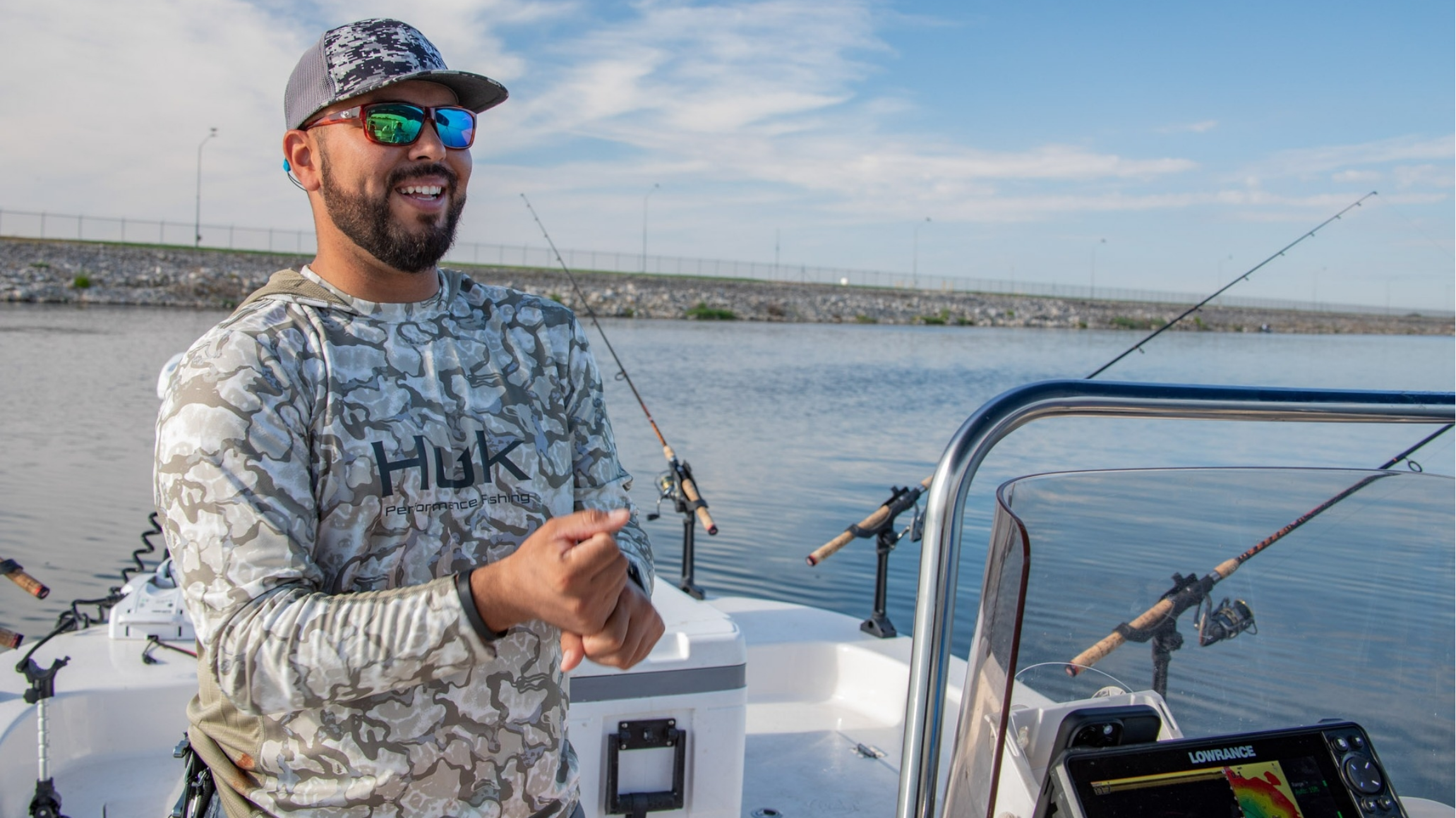
- Unforgettable Calaveras Lake Fishing Charters!


Summary
Join a fishing charter with Captain Jesse Robles of Bottom Feederz Fishing on Friday, October 23rd to target channel catfish on Calaveras Lake near Elmendorf. This guided fishing experience showcases the thrill of landing these powerful bottom-dwellers in Texas waters.
Fishing Charter with Captain Jesse Robles - Rates & Booking
Captain Jesse Robles of Bottom Feederz Fishing welcomes anglers to Calaveras Lake on Friday, October 23rd for an authentic channel catfish fishing charter. This guided fishing trip is designed for both experienced anglers and newcomers eager to tangle with Texas catfish. Captain Robles brings local knowledge of Calaveras Lake's productive grounds and the seasonal patterns that bring channel catfish into striking range.
The charter focuses on bottom-fishing techniques that target these hard-fighting fish. Whether you're planning a half-day or full-day experience, Bottom Feederz Fishing accommodates various group sizes and schedules. To reserve your spot and discuss specific rate options for your preferred date and group size, contact Bottom Feederz Fishing directly for current availability and pricing.
Highlights of Your Catfish Fishing Charter
Channel catfish represent some of the most rewarding catches available on Calaveras Lake. These bottom-feeders respond aggressively to fresh bait presentations, and the strike is unmistakable. You'll experience the raw power these fish display when hooked, making for memorable moments on the water. The lake's shallow-to-moderate depths create ideal conditions for detecting catfish activity and staying connected throughout the fight.
The Elmendorf area offers a unique blend of accessible fishing grounds with consistent catfish populations. Calaveras Lake's structure, channels, and flats provide diverse fishing scenarios, and Captain Robles knows where to position the boat for maximum success. Expect plenty of action and the satisfaction of landing trophy-sized channel catfish that showcase the lake's productivity.
Local Species Insights: Channel Catfish
Channel catfish are bottom-oriented predators that thrive in Texas lakes like Calaveras. These fish use their barbels, or whisker-like sensory organs, to detect food along the lake floor. They rely heavily on scent rather than sight, making fresh bait an essential strategy for any successful catfish angler. Channel catfish can grow substantial in Calaveras Lake, often reaching 20+ pounds, and their strength makes every hookup an adrenaline-pumping experience.
The species exhibits distinct behavior patterns tied to water temperature and seasonal changes. During fall months, catfish become more active as they feed before cooler water periods. They congregate in deeper channels, around structure, and near current breaks where food naturally collects. On Calaveras Lake, these predictable movements allow experienced guides like Captain Robles to position anglers where productive encounters happen frequently.
Catfish are aggressive feeders and often multiple fish will respond to the same bait offering. This creates exciting opportunities for non-stop action and the chance to land several quality fish during a single charter. The sheer fighting ability of channel catfish, combined with their willingness to take well-presented baits, makes them an ideal target species for anglers seeking tangible success and thrilling moments on the water.
The environment around Calaveras Lake supports healthy catfish populations year-round. The lake's interconnected channels, cover areas, and productive flats create diverse habitats where catfish establish predictable feeding routes. When you fish with Captain Robles, you're accessing proven knowledge about which locations consistently hold the most aggressive fish and where to time your presentations for optimal results.
Fishing in Calaveras Lake: Channel Catfish
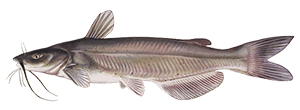
Channel Catfish Overview
The Channel Catfish (Ictalurus Punctatus), a member of the family Ictaluridae and order Siluriformes, stands out as one of North America's most beloved and resilient gamefish. These whiskered warriors are easily recognized by their slime-covered bodies, prominent barbels, and deeply forked tails that cut through the water like an upside-down V. What makes them truly remarkable is that their entire body is covered in taste buds—yes, their skin can literally taste—which gives them an almost supernatural ability to hunt in the murkiest conditions. Channel Catfish have been a staple for anglers across countless rivers and lakes for generations, and their reputation for hard-fighting spirit combined with their willingness to bite makes them an excellent target for both novice and experienced fishermen alike.
Channel Catfish Habitat and Distribution
Channel Catfish thrive in a wide variety of freshwater environments, showing a strong preference for reservoirs, lakes, and river systems throughout North America. These adaptable fish are particularly fond of areas with structure—river bends, deep channels, rocky wrecks, and tidal mouths all provide ideal habitat. They prefer warm waters and can tolerate both clear and muddy conditions, though they seem equally content in either. Look for them near debris piles, hollow logs, and underwater cavities where they like to hide and spawn. Across the continent, from small regional waterways to major river systems, the Channel Catfish has established itself as a native species that's become synonymous with successful weekend fishing trips.
Channel Catfish Size and Weight
Most Channel Catfish anglers can expect to land fish ranging from 15 to 25 inches in length, typically weighing between 2 to 4 pounds. However, these fish can grow significantly larger under the right conditions. Many seasoned anglers consider a 10-pound specimen admirable, while a 20-pounder is truly impressive. Historical records show Channel Catfish have been documented at weights approaching 58 pounds, though such trophies are exceptionally rare. The average catch provides excellent action and sport, making them perfect for a satisfying day on the water without requiring specialized equipment or extreme dedication.
Channel Catfish Diet and Behavior
Channel Catfish are opportunistic omnivores with remarkable sensory capabilities. They spend much of their time feeding along the bottom, searching for vegetation, aquatic insects, snails, crawfish, seeds, and smaller fish. As they mature, their diet becomes increasingly varied and their appetite more aggressive. What sets them apart behaviorally is their reliance on taste rather than sight—their barbels and taste-bud-covered bodies allow them to navigate and hunt effectively even in total darkness or cloudy water. They communicate with each other through sound waves, creating clicks and grunts that serve various social functions. During daylight hours, they often retreat to deeper holes and cavities, becoming more active at dawn, dusk, and throughout the night. This nocturnal tendency makes evening and night fishing particularly productive.
Channel Catfish Spawning and Seasonal Activity
Channel Catfish are most active during warmer months, with peak feeding and spawning occurring in spring and summer when water temperatures climb. Spawning typically happens in late spring when they seek out cavities, crevices, and hollow structures to deposit eggs and protect them from rushing currents. Males become particularly aggressive during this period, actively defending nesting sites. Fall and winter see reduced activity, though hungry Channel Catfish will still bite under the right conditions. The species grows best in warm environments, so understanding seasonal temperature changes in your local water helps predict when and where to find them most reliably.
Channel Catfish Techniques for Observation and Capture
Bait Selection and Rod Setup: The most effective approach involves using stinkbait, which appeals specifically to Channel Catfish due to its pungent amino acid profile—particularly L-Arginine and L-Alanine—that creates an irresistible scent trail. Alternative baits include cheese-based fibrous preparations, live minnows, and worms. Pair your bait with a 7 to 7.6-foot fishing rod featuring a strong backbone capable of handling their weight and powerful runs. Sharp, oversized treble hooks are essential for penetrating their notoriously hard mouths and preventing escape. Cast near structure—river bends, debris piles, and channel drop-offs—and let your bait settle to the bottom where these bottom-feeders naturally hunt.
Location and Timing: Fish river tidal mouths and bends during slack tide or incoming water when Channel Catfish are most active. Early evening through midnight represents prime fishing time, though they'll bite throughout the day if conditions are right. Position yourself near wrecks, submerged logs, or deep holes where they shelter. Around major rivers and reservoir systems, focus on transition zones where shallow flats meet deeper channels—these are natural highways for foraging fish.
Handling and Safety: Once hooked, Channel Catfish fight hard and can be slippery due to their protective slime coating. Approach them with respect: their dorsal and pectoral fins sport sharp spines capable of inflicting painful cuts. Keep a secure grip, use a net when possible, and be prepared for a spirited struggle. These fish are remarkably difficult to tire, often requiring patience and steady pressure to bring to boat or shore.
Channel Catfish Culinary and Utilization Notes
Channel Catfish have long been valued as a food fish, particularly in Southern cuisine, and they offer mild, slightly sweet white meat that's excellent when properly prepared. Fried, baked, or blackened, they provide a reliable source of lean protein. The average odds for food quality are solid, making them a practical choice for anglers interested in both sport and a fresh meal. Their sustainability as a native species and relative abundance means harvesting them responsibly supports both tradition and local ecosystems. Always check local regulations regarding size and bag limits to ensure ethical and legal harvest.
Channel Catfish Frequently Asked Questions
Q: What is the best bait for catching Channel Catfish?
A: Stinkbait is widely considered the gold standard due to its powerful amino acid scent profile that Channel Catfish find irresistible. However, live minnows, chicken liver, and cheese-based baits also produce excellent results. The key is using something with a strong scent that will disperse through the water column, allowing these taste-sensitive fish to locate your offering from a distance.
Q: What rod and reel setup do I need for Channel Catfish?
A: A 7 to 7.6-foot rod with a strong backbone and a quality baitcasting or spinning reel capable of handling 15-25 pound test line is ideal. The longer rod length allows for better casting distance and more effective presentation techniques like pitching and flipping. Ensure your rod has enough power to handle their runs and head shakes without breaking.
Q: When is the best time to fish for Channel Catfish?
A: Evening through midnight is prime time, though they bite throughout the day. Spring and summer offer the most consistent action when water temperatures are warmest. Look for them during periods of low light when they're naturally more active feeders. Overcast days can also be productive as they're less sight-dependent than other species.
Q: Where can I find Channel Catfish near popular fishing destinations?
A: Focus on river bends, tidal mouths, deep channels, and areas with submerged structure like logs, rocks, and debris piles. Reservoirs and larger lakes with significant depth variation are excellent choices. Check local fishing reports and ask at bait shops—they'll know the most productive spots in your region and current conditions.
Q: Why do Channel Catfish have those long whiskers?
A: Those barbels aren't just for show—they're sensory organs packed with taste receptors that help compensate for relatively poor vision. In murky water or darkness, these whiskers allow them to navigate and locate food with remarkable precision. Their entire body, in fact, is covered with taste buds, giving them an almost superhuman ability to detect prey.
Q: Are Channel Catfish good to eat?
A: Absolutely. They provide mild, slightly sweet white meat that's excellent when fried, baked, or blackened. They're a traditional food fish, especially in Southern cuisine, and offer good nutritional value as a lean protein source. Always follow local size and bag limit regulations, and consider harvest sustainability based on your local fishery's management guidelines.